
Quality STEM (Science, Technology, Engineering, and Mathematics) education is a powerful driver of sustainable development. In Africa, where rapid urbanization and industrial expansion intersect with pressing environmental challenges, investing in STEM education has transformative effects. It fosters innovation, equips individuals with the skills needed for the green economy, and drives technological advancements that support sustainability. From renewable energy solutions to waste management systems, STEM education is creating a ripple effect, enhancing both economic opportunities and environmental resilience across the continent.
Addressing Environmental Challenges Through STEM
STEM education has led to innovative solutions that positively impact the environment. Two notable examples highlight how this transformation is happening in Africa.
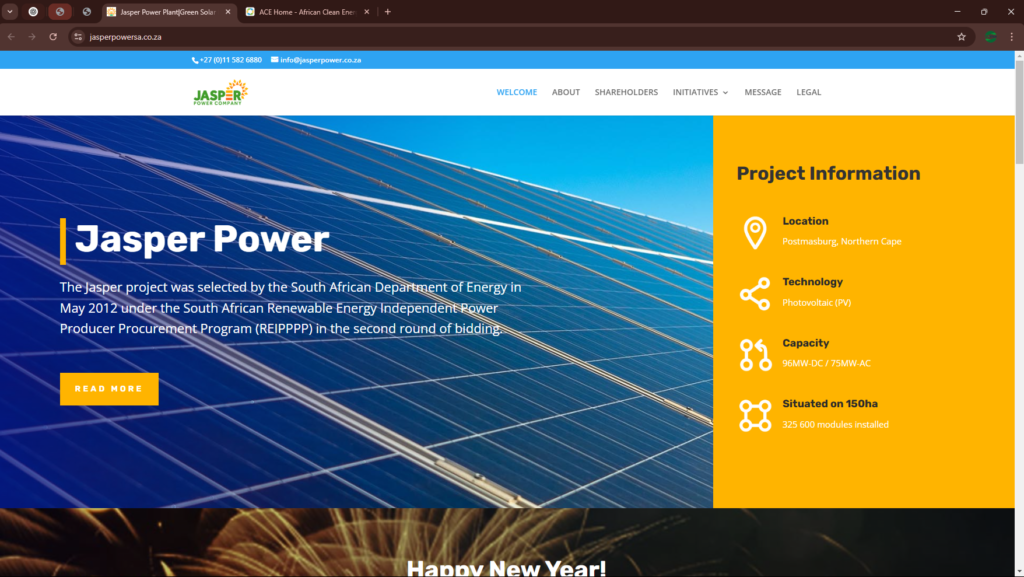
1. The Jasper Solar Power Project – South Africa
The Jasper Solar Power Project in South Africa is one of the continent’s largest solar energy farms, producing 96 megawatts of clean electricity. This project powers over 80,000 homes while significantly reducing carbon emissions. By replacing fossil fuel-based energy sources, Jasper prevents thousands of tons of CO₂ from entering the atmosphere every year, helping to combat climate change. The initiative also provides STEM-based job opportunities, fostering a new generation of engineers and renewable energy specialists.
The long-term effects of the Jasper Solar Project extend beyond energy production. The project has stimulated economic growth by creating employment in construction, maintenance, and research sectors. Additionally, it has encouraged further investments in solar technology across Africa, proving that sustainable energy solutions are viable on a large scale. The reduction in carbon emissions contributes to improved air quality, which benefits both human health and local ecosystems.
2. The African Clean Energy Initiative
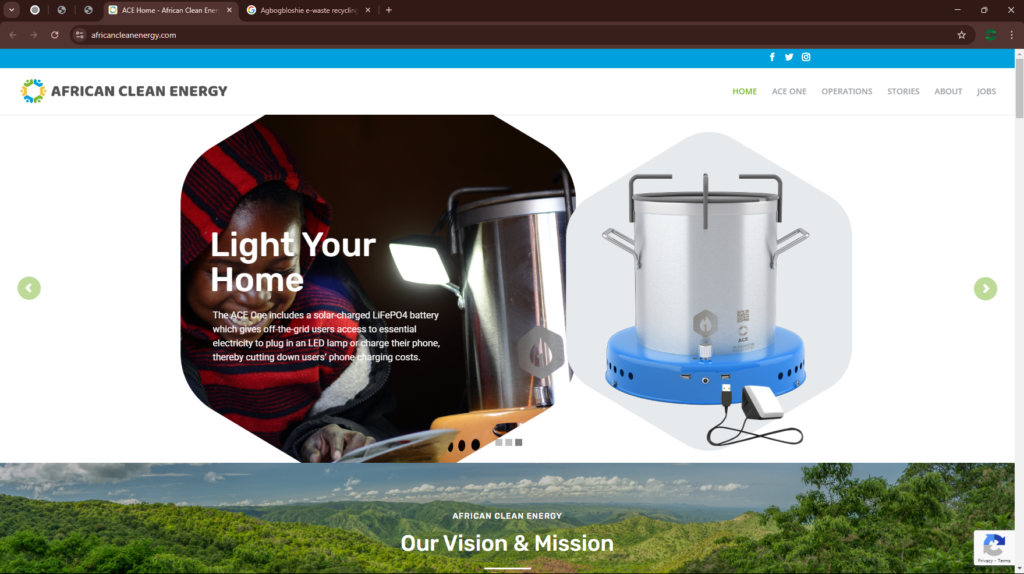
The African Clean Energy (ACE) Initiative focuses on providing affordable and sustainable energy solutions to rural communities. By leveraging STEM innovations, ACE has developed clean cookstoves that significantly reduce indoor air pollution and lower carbon emissions. These cookstoves use solar and battery-powered technology to replace traditional open-fire cooking, which is a major contributor to deforestation and respiratory diseases.
The impact of ACE extends beyond health benefits. By reducing the demand for firewood and charcoal, the initiative helps conserve forests and mitigate climate change. Additionally, the program creates opportunities for local entrepreneurs to manufacture and distribute clean energy products, further fostering economic growth in underserved areas. As more communities adopt these technologies, the initiative serves as a model for how STEM-based solutions can address energy poverty while promoting environmental sustainability.
Expanding the Impact of STEM Education
Beyond these specific examples, STEM education continues to drive sustainable development in Africa by fostering innovative research and technological advancements in multiple sectors:
- Agriculture and Food Security: Precision farming techniques, developed through STEM research, are helping farmers optimize crop yields while conserving water and soil nutrients. Initiatives like the use of drones for monitoring crop health and automated irrigation systems are making farming more efficient and sustainable.
- Water and Sanitation: STEM-driven water purification technologies, such as solar-powered desalination and biofiltration systems, are improving access to clean drinking water in rural and urban communities. These innovations reduce the spread of waterborne diseases and enhance overall public health.
- Wildlife Conservation: African researchers are using AI-driven monitoring systems and GPS tracking to protect endangered species from poaching and habitat destruction. These efforts contribute to biodiversity conservation and ecosystem stability.
Conclusion
STEM education is playing a crucial role in Africa’s environmental sustainability efforts. Projects like the Jasper Solar Power Plant and African Clean Energy Initiative recycling hub demonstrate how scientific knowledge can address real-world challenges. By investing in STEM, Africa can continue to develop sustainable solutions that protect the environment and empower communities.